

Image: ln24SA
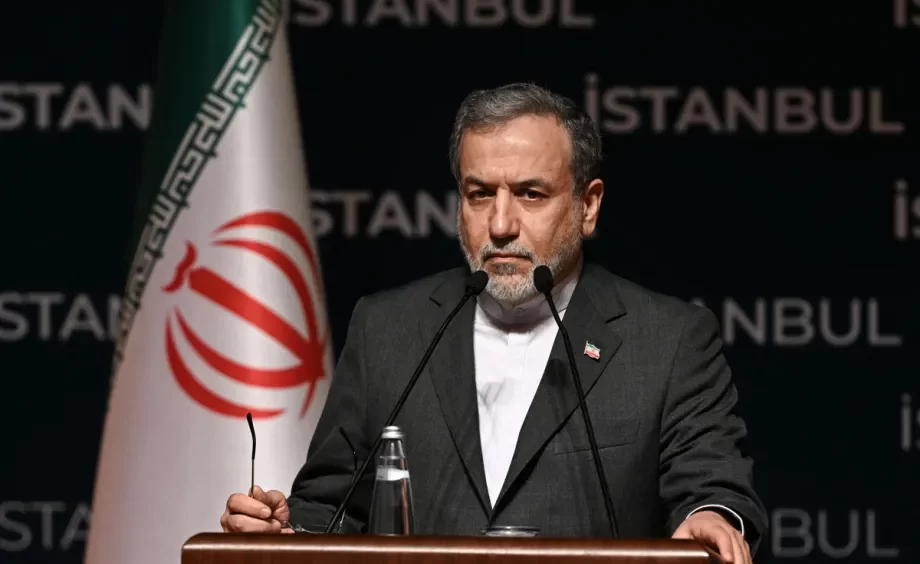
Iran has indicated that it will continue cooperating with the International Atomic Energy Agency (IAEA), while emphasising that future inspections at certain nuclear sites may be subject to additional security and safety considerations. Foreign Minister Abbas Araqchi stated that Iran remains committed to engagement with the agency, despite recent changes in domestic legislation.
A new law passed by Iran’s parliament following airstrikes by the United States and Israel requires that any IAEA inspections of Iranian nuclear facilities receive prior approval from the Supreme National Security Council, the country’s top security authority. The strikes targeted components of Iran’s nuclear infrastructure, which Western countries have long suspected of being aimed at developing nuclear weapons. Iran maintains that its nuclear program is exclusively for peaceful purposes.
Continued cooperation with the IAEA is expected to be a key element in any future negotiations regarding Iran’s nuclear activities. Tensions between Iran and the agency increased last month when the IAEA reported that Iran was not fully complying with its obligations under the Nuclear Non-Proliferation Treaty (NPT), shortly before the airstrikes occurred.
Araqchi noted that inspections at sites affected by the bombings involve potential risks, including exposure to radioactive materials and unexploded ordnance. He stated that both the security of the facilities and the safety of IAEA personnel must be taken into account.
While Iran has not suspended its collaboration with the IAEA, Araqchi said that the process will now follow a new structure, with decisions on inspection requests made by the Supreme National Security Council on a case-by-case basis, considering safety and security issues.
Araqchi also reaffirmed Iran’s position that it will not accept any nuclear agreement that restricts its ability to enrich uranium. He added that Iran is open to negotiations strictly focused on its nuclear program but not on defense-related matters such as missile capabilities.
Separately, a report citing unnamed sources claimed that Russian President Vladimir Putin had expressed support for a proposal preventing Iran from enriching uranium. However, an Iranian news agency, citing an informed source, stated that no such message had been conveyed by Russia.
In comments to Iran’s official news agency, Araqchi said Iran is carefully evaluating the terms of any potential talks with the United States and is seeking assurances that military action will not be used in the future. He stressed that Iran would not rush into negotiations without thorough review.
Araqchi also addressed the possibility of European powers—specifically the United Kingdom, France, and Germany—using the “snapback” mechanism under the 2015 nuclear agreement to reimpose United Nations sanctions. He said such a move would eliminate Europe’s role in the nuclear negotiation process. Under the terms of the U.N. resolution endorsing the 2015 deal, these countries have the option to restore sanctions by October 18, 2025.
Get the latests of our Loveworld News from our Johannesburg Stations and News Station South Africa, LN24 International