

Image: ln24SA
The United States and Iran are set to engage in high stakes indirect nuclear talks in Geneva, as tensions escalate and fears of a broader regional conflict intensify. The discussions come amid renewed diplomatic efforts to address Tehran’s nuclear programme, which Washington and its allies say has advanced significantly in recent months.
The negotiations, taking place in Geneva, are aimed at finding a pathway back to compliance and de-escalation after years of strained relations following the U.S. withdrawal from the 2015 nuclear agreement. While both sides have signaled willingness to engage, there is little clear indication of compromise, with major sticking points remaining around uranium enrichment levels, sanctions relief, and verification mechanisms.
Diplomatic sources suggest that the talks will be conducted indirectly, with intermediaries relaying messages between the delegations. This format underscores the deep mistrust that continues to define relations between Washington and Tehran.
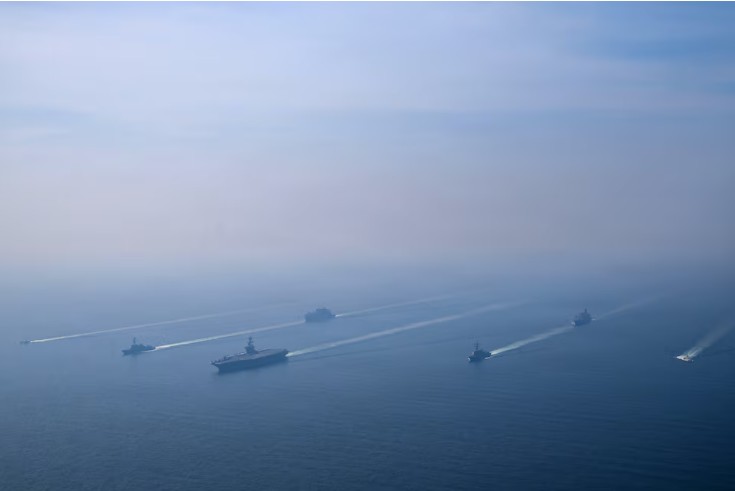
Meanwhile, the United States has reportedly massed a significant military presence in the region, including naval and air assets, in what officials describe as a precautionary measure amid rising tensions. The move has further heightened concerns that diplomacy may falter, potentially paving the way for military confrontation.
Iranian officials maintain that their nuclear programme is for peaceful purposes and insist that any agreement must deliver tangible economic benefits, particularly through the lifting of sanctions. U.S. officials, on the other hand, stress that preventing Iran from acquiring nuclear weapons remains a core national security priority.
As the talks unfold in Geneva, the international community watches closely, aware that the outcome could shape the security landscape of the Middle East and beyond. The stakes are high, with diplomacy and deterrence now moving in parallel tracks.
Related Posts
Some description text for this item