

Image: ln24SA
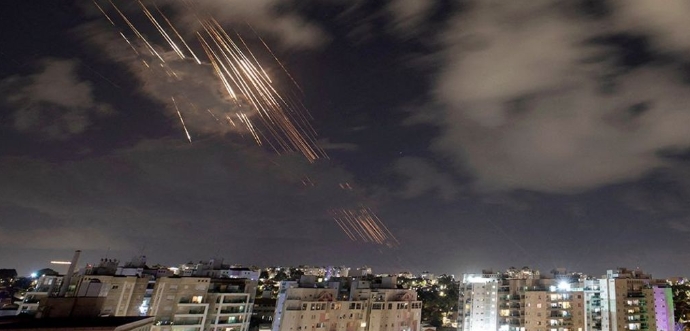
The Middle East conflict intensifies, Israeli military forces have launched strikes targeting key infrastructure in Iran’s capital Tehran, drawing sharp international attention, while India moves to secure energy supplies by resuming significant purchases of Russian crude oil in response to disruptions in global oil markets.
Israeli Strikes Hit Tehran Infrastructure
Israeli military officials confirm a campaign of aerial attacks aimed at what they describe as “regime and strategic infrastructure” in Tehran, marking one of the most direct assaults on Iranian territory in recent years. The operations, described by Israel’s armed forces as a new and intensified phase of conflict, have included strikes on military, communications and command facilities heightening tensions across the region.
In tandem with the Tehran strikes, Israeli forces have also continued operations in Lebanon and elsewhere, broadening the scope of military actions. Weapons depots and positions linked to Iran‑aligned groups have been targeted as part of a broader effort by Israel and its partners to degrade Tehran’s regional influence.
Iranian state media and officials have condemned the operations as unprovoked aggression, vowing retaliation and reinforcing the nation’s readiness to respond to further incursions. Casualties and infrastructural damage from the strikes have not yet been independently verified, but explosions in multiple sections of Tehran have been reported on local broadcasts.
Global Energy Markets Grapple with Supply Disruption
The military escalation has sent shockwaves through global energy markets, largely due to its impact on the Strait of Hormuz a vital maritime chokepoint through which an estimated one‑fifth of the world’s oil supplies transit. Since late February, disruptions and threats to shipping in the strait have driven oil prices sharply higher and prompted nations to diversify their crude import strategies.
Amid concerns that prolonged conflict could further curtail Middle Eastern oil flows, India one of the world’s fastest‑growing energy consumers is expanding its crude import strategy by pivoting once again toward Russian oil supplies.
India Resumes Russian Oil Purchases to Shore Up Energy Security
In New Delhi, government sources confirmed that India will continue purchasing Russian crude to bolster its energy security amid the ongoing crisis. The decision comes as Indian refiners receive large volumes of Russian oil currently anchored offshore, which had previously been stranded and unsold due to Western sanctions linked to the Ukraine war and tightened by geopolitical pressures.
New Delhi has secured a temporary 30‑day waiver from the United States, permitting Indian firms to buy Russian crude already loaded on tankers a measure aimed at stabilising supplies and averting dramatic fuel price increases at home. U.S. authorities described the waiver as a short‑term mitigation strategy in light of global energy volatility.
Industry sources say Indian refiners including state‑run entities such as Indian Oil Corporation have already received millions of barrels of Russian crude and are set to continue deliveries through March and potentially beyond, depending on market conditions and diplomatic negotiations.
Government officials in New Delhi have emphasised that domestic petrol and diesel prices will be managed to minimise impact on consumers, asserting that existing strategic reserves and diversified import channels will help cushion against supply shocks.
Broader Regional and Economic Impacts
The twin developments Israeli strikes on Iran’s infrastructure and India’s altered oil procurement strategy underscore the far‑reaching consequences of the Middle East crisis. Energy analysts warn that prolonged disruption at critical routes like the Strait of Hormuz could keep crude prices elevated, pressuring inflation and prompting geopolitical shifts in energy alliances.
The U.S. and other Western governments have been attempting to balance pressure on hostile actors with efforts to stabilise global oil markets, a difficult task as military operations continue and trade routes face repeated closures or threats.
In parallel, markets are watching for how Russia, China and regional powers will respond to persistent instability, with some analysts predicting long‑term shifts in oil supply chains and strategic partnerships.
For now, the juxtaposition of military escalation in Tehran and India’s recalibration of oil imports illustrates how intertwined geopolitics and global energy security have become with consequences that could reshape international relations and market dynamics for months to come.
_Get the latests of our Loveworld News from our Johannesburg Stations and News Station South Africa, LN24 International
Related Posts
Some description text for this item