

Image: LN24
Tehran Expands Its Influence Over a Critical Global Shipping Route
Iran is rapidly consolidating its control over the strategically vital Strait of Hormuz, introducing a growing system of island checkpoints, diplomatic clearance agreements and in some cases unofficial “security fees” for ships seeking safe passage through one of the world’s most important oil transit routes.
The development marks a significant shift in regional power dynamics and is raising fresh concerns across global energy markets, shipping industries, and Western governments already grappling with instability linked to the ongoing Iran conflict.
The Strait of Hormuz, a narrow but crucial waterway connecting the Persian Gulf to the Arabian Sea, carries a substantial share of the world’s crude oil and liquefied natural gas exports. Any disruption in the corridor immediately affects global energy prices and supply chains.
Iran Introduces New Maritime Checkpoint System
According to multiple international reports, Iran’s Islamic Revolutionary Guard Corps (IRGC) has expanded operational oversight across the strait by establishing a layered maritime inspection and approval system.
Commercial vessels entering the area are reportedly being required to provide:
- Cargo manifests
- Crew identification details
- Ownership documentation
- Destination information
Ships deemed linked to countries maintaining favorable relations with Tehran including China, Russia, India and Pakistan are reportedly receiving faster approvals and smoother passage through the waterway.
Iranian authorities say the measures are necessary to ensure maritime security amid heightened regional tensions and military threats.
Diplomatic Deals Now Key to Safe Passage
Several governments and shipping companies are increasingly being pushed into direct negotiations with Tehran to secure access through the strait.
Sources familiar with regional shipping operations say certain vessels have been allowed passage only after diplomatic understandings were reached between Iran and their respective governments. In some cases, operators reportedly paid what Iran describes as “security service fees.”
Critics, however, argue the payments resemble unofficial tolls imposed outside internationally accepted maritime law.
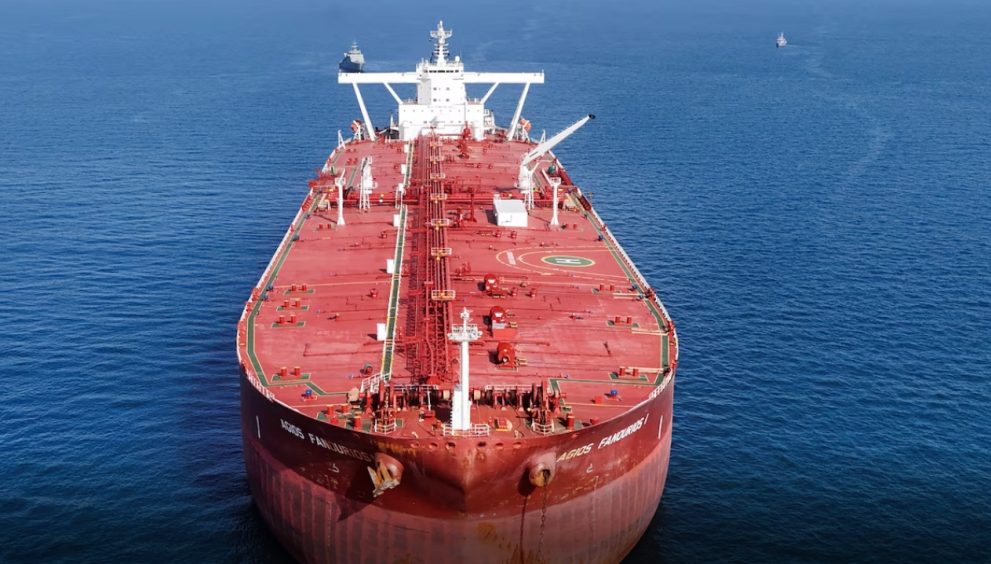
One widely discussed case involved the Iraqi-linked oil tanker Agios Fanourios I, which reportedly obtained clearance after coordination between Baghdad and Tehran before later undergoing inspection by Iranian forces near the strait.
Analysts say these developments are effectively creating a new “permission-based” transit structure in one of the world’s busiest maritime chokepoints.
Growing Concerns Over International Maritime Law
Legal experts warn that Iran’s evolving system could challenge long-established international navigation principles.
Under the United Nations Convention on the Law of the Sea (UNCLOS), ships are generally entitled to “innocent passage” through international straits without being subjected to discriminatory restrictions or unauthorized fees.
Iran, however, insists the charges and inspection procedures are connected to regional security coordination rather than toll collection.
Western governments remain skeptical.
The United States and several European allies have reportedly cautioned shipping operators against formally recognizing Iranian authority over the strait, arguing that compliance could legitimize Tehran’s expanding regional leverage.
Oil Markets and Global Shipping Feel the Pressure
The impact on global energy markets is already becoming visible.
Oil shipments through the Strait of Hormuz have fluctuated sharply in recent weeks as shipping companies weigh the risks of operating in the region. Insurance costs for tankers have surged, while crude oil prices remain volatile amid fears of broader disruptions.
Several major energy firms have temporarily rerouted shipments or delayed departures due to uncertainty surrounding Iranian inspections and military activity near the corridor.
Despite the risks, some supertankers have resumed transits after reportedly securing Iranian approval, signaling that many global energy players may have little choice but to adapt to the new reality.
Gulf States Accelerate Alternative Pipeline Projects
The growing instability has also pushed Gulf nations to intensify efforts aimed at reducing dependence on the Strait of Hormuz.
The United Arab Emirates recently confirmed progress on expanded pipeline infrastructure designed to bypass the strait entirely, allowing oil exports to continue even during regional disruptions.
Saudi Arabia and other Gulf producers are also reviewing contingency export routes amid fears that prolonged tensions could transform Hormuz into a permanently contested maritime zone.
Energy analysts say the latest developments may accelerate long-term investments in alternative shipping corridors and overland pipeline networks across the Middle East.
Iran Pushes for Regional Security Leadership
Tehran maintains that regional powers not foreign militaries should oversee security in Gulf waters.
Iranian officials say discussions are underway with Oman and other neighboring states to establish a regional maritime coordination framework focused on securing commercial shipping routes.
The proposal aligns with Iran’s broader strategy of positioning itself as the dominant security power in the Gulf while reducing Western military influence in the region.
At the same time, diplomatic negotiations between Tehran and Washington remain fragile.
U.S. President Donald Trump recently warned that military action could resume if ongoing talks collapse, while Iranian leaders continue to insist that recognition of their security role in Hormuz is central to any lasting agreement.
Strait of Hormuz Emerges as a New Global Power Flashpoint
As tensions continue to rise, the Strait of Hormuz is increasingly becoming more than just an energy transit corridor.
The waterway now sits at the center of a broader geopolitical struggle involving military influence, global trade, energy security and control over one of the world’s most economically important maritime routes.
With Iran steadily expanding its operational authority and global powers divided on how to respond, the future of the strait could shape international energy markets and Middle East security for years to come.
Get the latest news of our Loveworld News from our Johannesburg Stations and News Station South Africa, LN24 International
Related Posts
Some description text for this item