

Image: ln24SA
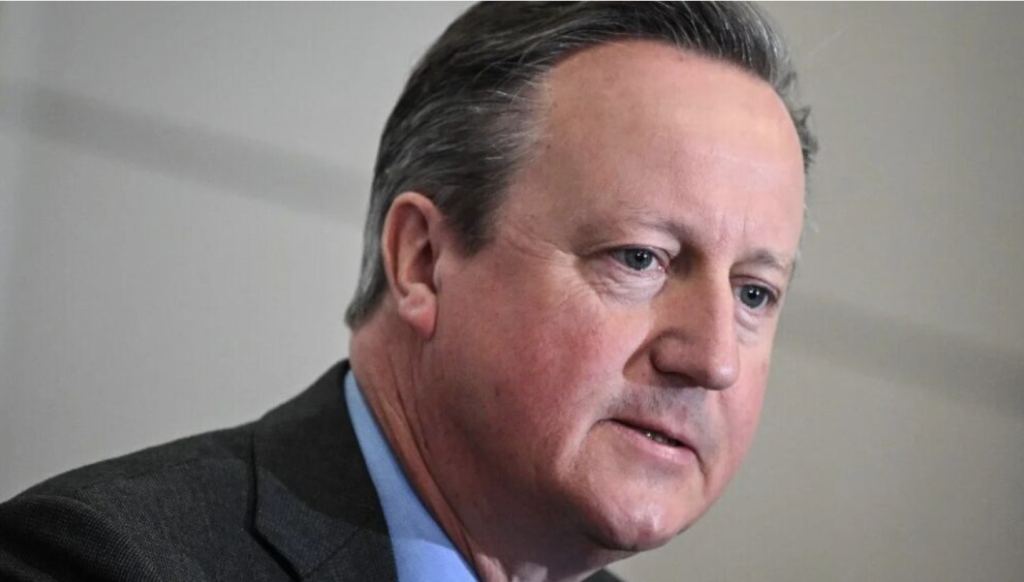
A former British foreign secretary reportedly threatened that the UK might withdraw funding and pull out from the International Criminal Court (ICC) if it moved forward with arrest warrants against Israeli officials. This warning came during a tense phone call in April 2024 with the chief prosecutor of the ICC.
Shortly afterward, the prosecutor announced plans to seek arrest warrants for Israeli Prime Minister Benjamin Netanyahu and then-Defense Minister Yoav Gallant, as well as leaders of Hamas. The prosecutor emphasized the need for the court to operate with full independence and impartiality, urging that efforts to intimidate or obstruct its work must stop immediately.
It was understood that by mid-March 2024, the prosecutor’s team was preparing to apply for the warrants by the end of April. The US administration was notified in late March about this decision. In mid-April, the prosecutor informed the UK’s Justice Secretary of the intention to apply for the warrants but was unable to meet the foreign secretary at the time.
The former foreign secretary, appointed in late 2023, later contacted the prosecutor during the latter’s official visit abroad. According to insiders familiar with the call, the ex-foreign secretary described the issuance of warrants for Israeli leaders as an extremely damaging act, likening it to “dropping a hydrogen bomb.”
He argued that while prosecuting Russia for aggression in Ukraine was justified, targeting Israel— which he characterized as defending itself from attacks—was a different matter. He warned that such warrants would have significant political consequences in the UK and within his own party, and threatened that the UK would defund the ICC and withdraw from the Rome Statute if the warrants were issued.
The ex-foreign secretary also accused the prosecutor of unfairly focusing on Israel, questioning why similar investigations into Iran’s actions had not been pursued. He warned that proceeding with the warrants would damage the UK’s reputation among allies and obligate Britain to arrest Israeli officials if they visited.
The prosecutor defended the court’s engagement with Israel over several years, which had failed to yield meaningful cooperation relevant to the investigations. He also pointed out that investigations into alleged crimes by Hamas were ongoing, but the former foreign secretary dismissed this as creating a false equivalence between the parties.
The discussion reportedly became heated, with the ex-foreign secretary raising his voice and interrupting the prosecutor, who urged him to allow him to finish. The prosecutor maintained his position, warning that a withdrawal by the UK would signal the collapse of the international rules-based order. The ex-foreign secretary countered that the world was not prepared for such a move and urged reconsideration, but no agreement was reached.
When the prosecutor later publicly announced his decision to apply for the warrants, the former foreign secretary called it a “mistake” and criticized the court for equating Israeli and Hamas actions morally. The UK government initially challenged the court’s jurisdiction over Israeli nationals, but this stance was reversed under a subsequent administration, which affirmed its support for the court’s independence.
Following the phone call, sources close to the prosecutor said he was upset by the pressure and threats implied in the conversation.
The new government has imposed limited measures against Israel but has stopped short of accusing it of violating international law in Gaza. After the ICC issued warrants for Israeli officials, the government has not explicitly stated whether it would arrest them if they traveled to the UK but said it would meet its legal obligations.
There have been reports of visits by Israeli officials not subject to warrants, including a secret trip by the Israeli foreign minister, which was later revealed to have been blocked from triggering an arrest by the UK authorities.
The prosecutor is currently on leave amid allegations of misconduct that he denies, while also facing retaliatory actions including visa revocation and financial sanctions from the United States, following the ICC’s arrest warrants for Israeli leaders. Similar warrants issued against Russian officials led to reciprocal actions against the prosecutor.
The ICC has condemned sanctions against its personnel as attempts to undermine judicial independence. The court has also restricted the public release of further warrants related to its investigation into Palestine.
Get the latests of our Loveworld News from our Johannesburg Stations and News Station South Africa, LN24 International