

Image: ln24SA
ANC Hosts Strategic Regional Summit on Political Unity and Anti-Imperialism
JOHANNESBURG, SOUTH AFRICA —
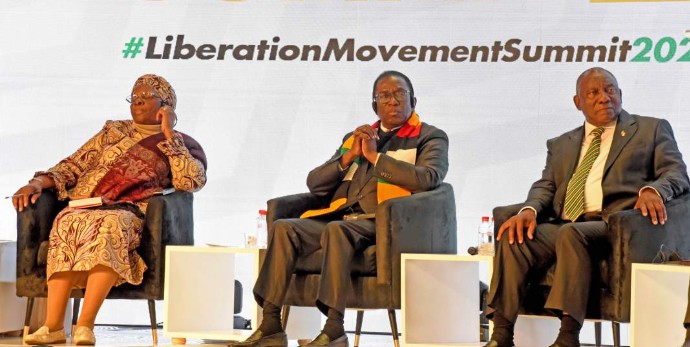
Leaders of Southern Africa’s most iconic liberation movements convened in Johannesburg for a powerful summit hosted by the African National Congress (ANC). The historic gathering aimed to reaffirm ideological solidarity, strengthen regional cooperation, and chart a united political course in the face of growing global pressures and what many described as “renewed foreign interference.”
Held under the theme “Preserving the Revolutionary Flame: Advancing Unity and Sovereignty”, the summit brought together key delegations from:
Zimbabwe African National Union Patriotic Front (ZANU–PF)
Mozambique Liberation Front (FRELIMO)
People’s Movement for the Liberation of Angola (MPLA)
South West Africa People’s Organisation (SWAPO) of Namibia
Chama Cha Mapinduzi (CCM) of Tanzania
Ramaphosa: “The Time to Lead Is Now”
In his keynote address, ANC President Cyril Ramaphosa urged attending parties to remain faithful to their revolutionary roots while adapting to the modern challenges of governance and socio-economic transformation.
“We carry the legacy of freedom fighters who gave everything. It is our duty now to safeguard that freedom, not just for our nations, but for all of Africa. We must resist neo-colonial tendencies, assert sovereignty, and lead with vision,” Ramaphosa said.
He called for renewed focus on regional integration, youth empowerment, and collective resistance to “external manipulation in African affairs.”
Shared Histories, Common Futures
The summit echoed themes of shared struggle, with party leaders referencing decades of solidarity that overthrew colonial and apartheid regimes. Discussions highlighted ongoing geopolitical shifts, economic instability, and a resurgence of “soft-power” interference by global powers, particularly in resource-rich African states.
Delegates stressed that liberation movements are more than historical relics they remain essential vehicles for political stability, economic justice, and Pan-African ideals.
“Our liberation was not an end, but a beginning. This gathering proves that unity still holds power in shaping the destiny of our people,” said ZANU–PF’s President Emmerson Mnangagwa.
A Call for Strategic Cooperation
Among the resolutions adopted:
Intensifying collaboration on security and border stability
Coordinating responses to Western sanctions and economic pressures
Establishing joint youth programs and leadership academies
Promoting intra-African trade and investment partnerships
Protecting sovereign decision-making in international affairs
Delegates also expressed support for Palestine, Western Sahara, and other global liberation movements still engaged in struggles for self determination.
Footage from the event showed warm exchanges between leaders, traditional performances, and the raising of party flags. The atmosphere was one of both nostalgia and strategic forward-planning.
Historical Context
These liberation parties were central to the anti-colonial and anti-apartheid liberation movements of the 20th century. Their legacy extends beyond borders from Mozambique’s struggle against Portuguese rule to Tanzania’s role as a base of operations for regional fighters. While most of these parties now serve as ruling governments, they have faced criticism over governance issues, prompting calls for renewal and reform from within.
Get the latests of our Loveworld News from our Johannesburg Stations and News Station South Africa, LN24 International