

Image: Healing Streams
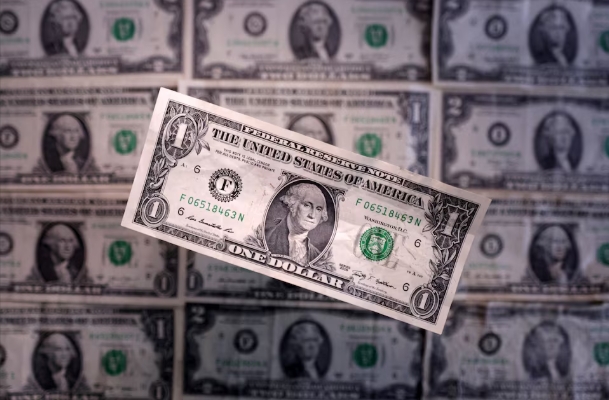
The U.S. dollar’s recent rebound triggered by the outbreak of war in the Middle East is expected to fade, as analysts warn that the currency’s long-standing status as the world’s dominant safe-haven asset is increasingly under pressure.
Dollar Rally Losing Momentum
The dollar initially strengthened following the escalation of the U.S.-Iran conflict in late February, rising roughly 2% as investors sought refuge in traditionally safe assets. However, that momentum has already begun to reverse.
Recent market movements show the dollar slipping against major currencies, including the euro and Japanese yen, as optimism grows that the conflict could de-escalate in the coming weeks.
According to currency strategists, the rebound was largely driven by short-term positioning rather than strong underlying demand. As geopolitical tensions show signs of easing, the currency is losing support and trending downward again.
Safe-Haven Status Under Pressure
For decades, the U.S. dollar has served as the primary global safe haven during times of crisis. But analysts say the current environment is exposing cracks in that role.
Unlike previous geopolitical shocks, the dollar has underperformed relative to other traditional hedges such as gold and government bonds, even amid heightened uncertainty.
At the same time, broader structural concerns including U.S. fiscal policy, trade tensions and questions around central bank independence are weakening investor confidence in the currency.
Market data suggests that global investors are increasingly diversifying away from U.S. assets, contributing to what some analysts describe as a gradual erosion of the dollar’s dominance.
Oil Crisis Reshaping Market Dynamics
The ongoing energy crisis, triggered by disruptions in the Strait of Hormuz, is also playing a key role in reshaping currency markets.
The conflict has caused one of the largest oil supply shocks in modern history, pushing prices sharply higher and fueling global inflation fears.
However, rather than strengthening the dollar as has historically been the case rising oil prices are now creating mixed effects. As the United States has become a major energy exporter, fluctuations in oil prices are influencing the dollar in more complex ways.
Some analysts argue that oil itself is emerging as a new form of “safe-haven” asset, reflecting a broader shift in how markets respond to geopolitical risk.
Markets Shift Toward Alternative Havens
Investor behavior is increasingly reflecting this shift. Gold prices have surged in recent days as the dollar weakened, benefiting from both safe-haven demand and expectations of future interest rate cuts.
Meanwhile, global bond markets and other defensive assets are attracting capital flows that would traditionally have moved into the U.S. currency.
This changing dynamic suggests that the “safe-haven playbook” that has dominated global finance for decades may be undergoing a significant transformation.
De-escalation Could Accelerate Decline
Expectations that the U.S. could soon scale back its military involvement in Iran are further weighing on the dollar.
Markets have reacted positively to signs of potential de-escalation, with stock markets rising and oil prices retreating from recent highs.
At the same time, reduced geopolitical risk typically diminishes demand for safe-haven assets placing additional downward pressure on the dollar.
Analysts note that any sustained drop in oil prices or confirmation of a ceasefire could accelerate the currency’s decline in the near term.
Outlook: A Structural Shift in Global Finance?
While short-term volatility remains high, many economists believe the dollar’s weakening is part of a broader, longer-term trend.
Rising global debt, shifting geopolitical alliances, and changes in energy markets are all contributing to a more fragmented financial system one in which the U.S. dollar may no longer dominate to the same extent.
For now, the currency remains central to global trade and finance. But as the Iran conflict and energy crisis continue to reshape markets, its role as the world’s ultimate safe haven is facing one of its most significant tests in decades.
Get the latest news of our Loveworld News from our Johannesburg Stations and News Station South Africa, LN24 International
Related Posts
Some description text for this item