

Image: LN24
Conservatives Raise Concerns Over Bill C-22
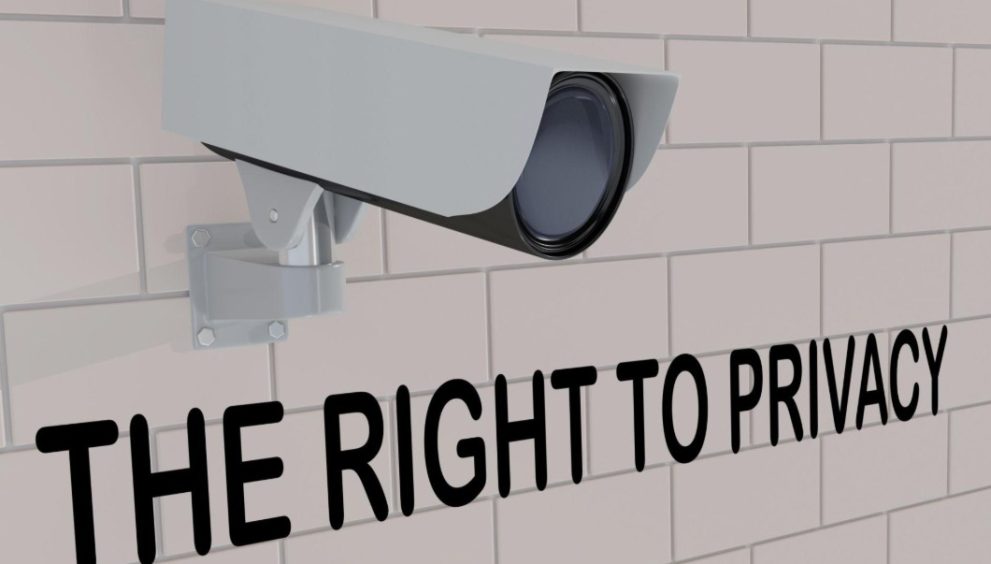
Members of Conservative Party of Canada have intensified criticism of the Liberal government’s handling of Bill C-22, also known as the Lawful Access Act, arguing that the legislation requires greater public scrutiny due to its potential implications for privacy and government surveillance.
The concerns were raised during committee proceedings in Ottawa, where lawmakers debated the bill’s oversight and accountability mechanisms.
Andrew Lawton Questions Committee Process
Andrew Lawton, a Conservative Member of Parliament, alleged at an ethics committee meeting that the government is limiting opportunities for further examination of the legislation.
Lawton specifically argued that the Office of the Privacy Commissioner of Canada should be permitted to return to the House of Commons Standing Committee on Public Safety and National Security to provide additional testimony regarding the bill’s potential effects.
Privacy and Surveillance at the Center of Debate
Critics of the legislation have raised questions about:
- Government access to digital information.
- Judicial oversight mechanisms.
- Privacy protections for Canadians.
- Transparency surrounding lawful access requests.
- The balance between security and civil liberties.
Supporters of stronger oversight argue that any expansion of government powers should be accompanied by robust safeguards and independent review processes.
Government Position
Supporters of the legislation maintain that lawful access measures are necessary to help law enforcement agencies address evolving digital threats, investigate serious crimes, and respond to modern cybersecurity challenges.
They argue that existing legal frameworks may require updates to keep pace with technological developments and criminal activity conducted through digital platforms.
Ongoing Parliamentary Review
As debate continues, lawmakers, privacy advocates, technology companies, and civil liberties organizations are expected to remain closely engaged in discussions surrounding the bill.
The legislation is likely to face continued scrutiny as Parliament considers whether the proposed powers strike an appropriate balance between public safety objectives and the protection of individual rights.
Get the latest news of our Loveworld News from our Johannesburg Stations and News Station South Africa, LN24 International
Related Posts
Some description text for this item