

Image: Healing Streams
Iran is moving to impose a sweeping new system to govern traffic through the Strait of Hormuz, signaling a major shift in control over one of the world’s most critical energy chokepoints and raising alarm across global markets.
Senior Iranian officials say the country intends to transform its military dominance in the waterway into a long-term economic and security framework, including restricting access for certain vessels and potentially charging transit tolls for passage.
“The Strait of Hormuz regime will no longer be as it was in the past,” Iran’s First Vice President Mohammad Reza Aref said, indicating Tehran aims to convert its wartime leverage into “sustainable economic and security benefits.”
A “new regime” over a vital global artery
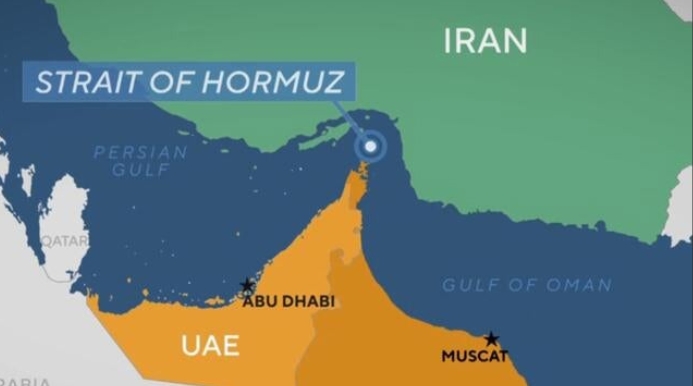
The Strait of Hormuz, a narrow passage between Iran and Oman, carries roughly one-fifth of the world’s oil and gas supply under normal conditions, making it one of the most strategically important waterways globally.
Since the outbreak of the 2026 Iran war, traffic through the strait has collapsed amid attacks on vessels, military threats and soaring insurance risks. Shipping volumes have dropped dramatically, with many vessels avoiding the route altogether.
Iran now appears to be formalizing its control by introducing what analysts describe as a “toll booth” system effectively a new governance structure that determines which ships can pass and under what conditions.
Toll system and restricted access
According to Iranian officials and multiple reports, Tehran is drafting legislation that would allow it to charge ships for safe passage through the strait.
Some vessels have already reportedly paid fees of up to $2 million to transit the waterway, while others must undergo vetting and coordination with Iranian authorities before being granted access.
The emerging system includes:
- Screening ships based on ownership and political alignment
- Restricting passage for vessels linked to countries seen as hostile
- Routing approved ships through controlled “safe corridors”
- Potentially collecting tolls as a formalized policy
Iran has stated that “non-hostile” vessels may still pass, provided they comply with its rules and do not support adversaries in the ongoing conflict.
Legal and geopolitical backlash
The proposed toll regime has sparked sharp international criticism, with opponents arguing it could violate international maritime law, which guarantees the right of transit passage through key waterways.
Under the United Nations Convention on the Law of the Sea, countries are generally prohibited from charging fees for passage through international straits unless specific services are provided.
U.S. officials have labeled the potential toll system “illegal” and warned it could destabilize global trade, while Gulf states have condemned the move as a threat to energy security.
Industry leaders have also warned that any restriction or monetization of access to the strait could have far-reaching economic consequences, driving up fuel costs and disrupting supply chains worldwide.
Global economic shockwaves
The disruption has already sent oil prices soaring above $100 per barrel, with fears of prolonged supply shortages if the situation continues.
With few viable alternative routes for Gulf exports, countries in Asia and beyond are increasingly seeking negotiated arrangements with Tehran to secure passage for their vessels.
At the same time, some shipping companies are taking extraordinary risks disabling tracking systems or paying high fees to move cargo through the strait amid the uncertainty.
A turning point in maritime control
Analysts say Iran’s push to impose a new system in the Strait of Hormuz represents a significant escalation, effectively challenging decades of international norms governing freedom of navigation.
“This is a de facto sovereign regime in the Strait of Hormuz,” one analyst noted, reflecting growing concern that the waterway could become subject to unilateral control.
As the conflict continues, the future of the strait and the stability of global energy markets remains deeply uncertain, with mounting pressure on world powers to respond.
Get the latests of our Loveworld News from our Johannesburg Stations and News Station South Africa, LN24 International
Related Posts
Some description text for this item