

Image: Healing Streams
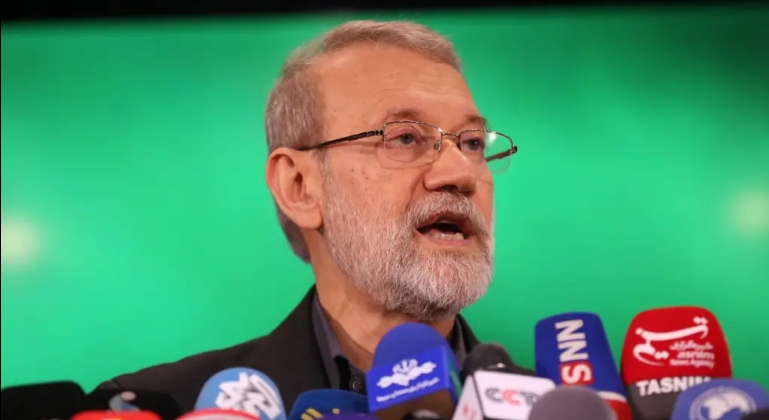
Israeli Defence Minister Israel Katz announced on Tuesday that the Israeli military has killed Iran’s top security official, Ali Larijani, in a series of overnight airstrikes that targeted senior leadership in Tehran and further escalated the already intense conflict between Israel, Iran and their respective allies.
Katz said the strikes also eliminated Gen. Gholam Reza Soleimani, commander of the Basij militia the paramilitary arm of Iran’s Revolutionary Guard marking what Israeli officials described as a significant blow to Tehran’s security leadership.
Iranian authorities have not yet confirmed Larijani’s death, and some reports say his fate remains uncertain.
Background: A Broader War That Has Raged for Weeks
The conflict began on February 28, when a powerful U.S.–Israeli air campaign struck key locations in Iran’s capital, killing Supreme Leader Ayatollah Ali Khamenei and other senior officials, according to Iranian government acknowledgments and independent reporting.
Since then, Iran has responded with waves of long‑range missile and drone strikes against Israeli territory and U.S. bases in the region, while Israel has maintained its campaign of targeted strikes against key elements of Iran’s military and security apparatus.
The violence has repeatedly spilled across borders, heightening fears of a regional conflagration.
Iranian Retaliation Strikes Gulf States
In a marked expansion of the conflict, Iran has launched missile and drone strikes on neighbouring Gulf Arab states, including the United Arab Emirates, Qatar and Kuwait according to regional reports.
These attacks have led to interceptions by Gulf air defences, civilian casualties and property damage, especially in the UAE. In one incident reported in Abu Dhabi, a missile strike on a civilian vehicle killed at least one person, prompting heightened security alerts.
Across the Gulf, authorities have scrambled to respond to Iranian launches, with air defences engaging missiles and drones approaching from the north.
Humanitarian and Economic Fallout
The intensification of the war is straining regional stability:
- Neighbouring states are preparing for a potential refugee crisis as instability persists.
- Global oil markets continue to be unsettled as disruptions to shipping in and around the Strait of Hormuz worry traders and governments alike.
- Civilian populations in multiple countries are living under the threat of incoming missiles, with air‑raid sirens sounding and emergency services on high alert.
Diplomatic Pressures and International Response
World leaders are calling for restraint but so far, diplomatic efforts to de‑escalate have not halted hostilities. U.S. President Donald Trump has urged allies to assist in securing maritime channels and deterring further Iranian attacks, though several states have declined deeper involvement.
Iran has simultaneously expressed a desire to reassess ties with its Gulf neighbours, arguing that the crisis underscores the need for a “serious review” of regional relations after repeated missile attacks.
Outlook: Conflict Hard to Contain
The lack of independent confirmation about key leadership deaths including Larijani’s adds fog to an already volatile situation. Both sides appear entrenched, and military operations show no sign of abating. As the war enters its fourth week, the risk of further escalation and broader regional destabilisation remains high.
Get the latests of our Loveworld News from our Johannesburg Stations and News Station South Africa, LN24 International
Related Posts
Some description text for this item