

Image: Healing Streams
Conditional Military Involvement
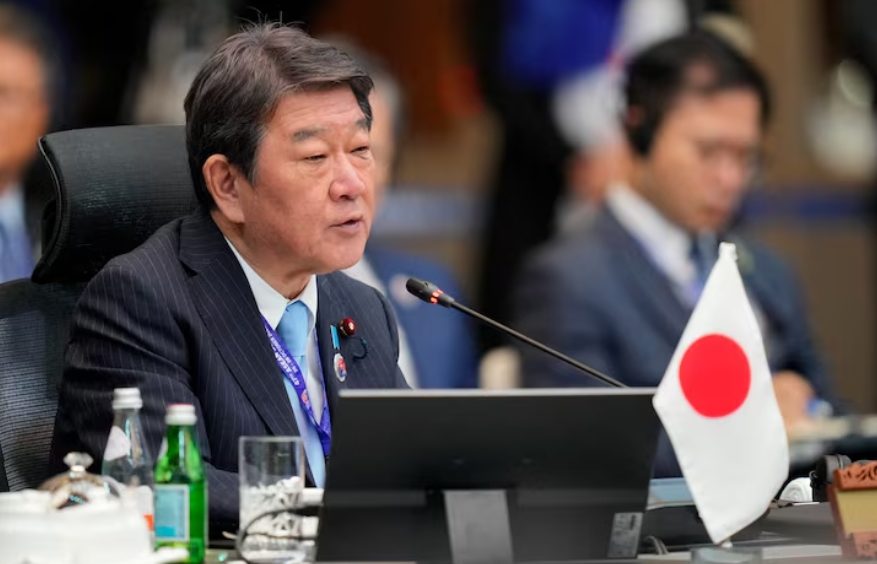
Japan has indicated it may consider participating in minesweeping operations in the Strait of Hormuz, but only if a ceasefire is achieved in the ongoing Middle East conflict, a senior government minister said on Sunday.
Yoshimasa Hayashi stated that any potential deployment would depend on improved security conditions following a halt in hostilities. He emphasized that discussions remain hypothetical at this stage and that no final decision has been made.
Strategic Importance of the Strait
The Strait of Hormuz, a narrow but critical waterway connecting the Persian Gulf to global markets, handles a significant portion of the world’s oil shipments. Ongoing tensions in the region have raised concerns about maritime safety, particularly after reports of naval mines and attacks on commercial vessels disrupted shipping routes.
Japan, which relies heavily on Middle Eastern oil imports, is closely monitoring developments. A large percentage of its crude oil supply passes through the strait, making stability in the region essential to its energy security and broader economic stability.
Japan’s Legal and Operational Limits
Officials noted that Japan possesses advanced minesweeping capabilities through its Self-Defense Forces. However, any overseas military involvement is constrained by the country’s pacifist constitution, which limits the use of force and restricts combat operations abroad.
Fumio Kishida has previously underscored the importance of maintaining international cooperation while adhering to Japan’s legal framework. Government leaders continue to balance domestic legal limitations with expectations from allies, particularly the United States, to contribute to regional security efforts.
International Context and Cooperation
The remarks come at a time of heightened geopolitical tension, as global powers assess how best to respond to disruptions in one of the world’s most strategically important energy corridors. While some countries have considered military escorts or direct involvement, Japan has taken a more cautious approach, focusing on non-combat support roles.
Minesweeping and Post-Conflict Recovery
Analysts say minesweeping could become a key component of post-conflict recovery efforts, ensuring that commercial shipping can safely resume once a ceasefire is in place. Clearing naval mines would be essential to restoring confidence in maritime routes and stabilizing global energy markets.
Current Status and Next Steps
Despite the possibility of future involvement, Japanese officials reiterated that their immediate priority remains diplomatic engagement and de-escalation. For now, no deployment plans have been confirmed.
As the situation continues to evolve, the international community is watching closely for signs of a ceasefire agreement that could pave the way for coordinated efforts to secure the Strait of Hormuz and prevent further disruption to global trade.
Get the latests of our Loveworld News from our Johannesburg Stations and News Station South Africa, LN24 International
Related Posts
Some description text for this item