

Image: Healing Streams
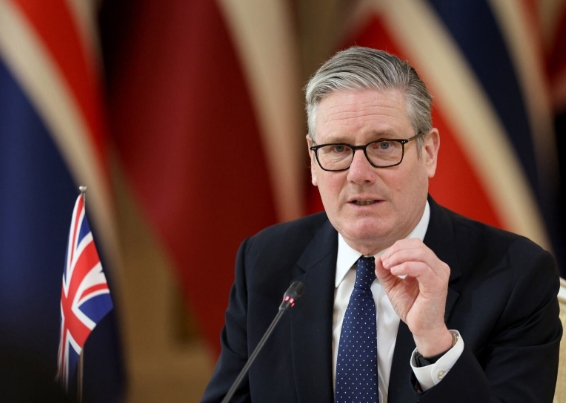
UK Labour Party leader Keir Starmer is set to meet with senior business leaders this week to discuss the economic fallout from the ongoing blockade of the Strait of Hormuz, as global energy markets remain under strain amid escalating Middle East tensions.
The meetings, scheduled for Thursday, will bring together executives from major energy companies, shipping firms and trade organizations. Starmer aims to explore how the UK can support businesses affected by surging oil prices and disrupted supply chains while pressing for international diplomatic solutions to the crisis.
Hormuz blockade triggers global economic concerns
The Strait of Hormuz, a narrow waterway between Iran and Oman, handles roughly 20% of the world’s seaborne oil and gas shipments. The recent blockade by Iranian forces has dramatically slowed traffic, causing oil prices to spike above $100 per barrel and triggering widespread concern across global markets.
Businesses in the UK are reporting rising costs and delays in securing energy supplies, prompting government and opposition leaders alike to engage directly with industry representatives.
Starmer emphasizes economic and diplomatic strategy
Labour sources indicate Starmer will stress the need for a dual approach: mitigating immediate economic impacts on UK businesses while supporting diplomatic efforts to ensure freedom of navigation through the strait.
“The UK must work closely with international partners to safeguard global trade routes while protecting British businesses from the ripple effects of this crisis,” a Labour spokesperson said.
Meetings with business and trade groups
The planned discussions will include:
- Energy sector executives to assess short-term supply risks
- Shipping and logistics companies to evaluate alternative routes and insurance costs
- Trade associations to identify regulatory or financial support measures
Analysts expect the talks to produce recommendations for government action, potentially including strategic oil reserves releases, support packages for affected industries and enhanced diplomatic engagement with international partners.
Growing political focus on Middle East tensions
The Hormuz blockade has become a key political issue in the UK, with opposition parties calling for robust measures to protect national economic interests. Starmer’s meetings signal Labour’s intent to demonstrate proactive engagement and leadership on international economic security.
Observers note that the discussions could also inform Labour’s broader foreign policy platform, highlighting the party’s approach to balancing economic priorities with global diplomatic challenges.
Global context
The blockade is part of wider regional tensions following the ongoing Iran war, which has disrupted energy flows, prompted military posturing, and raised the risk of further escalation in the Gulf.
International efforts to negotiate safe passage for commercial vessels continue, with mixed progress. While some limited shipments have been allowed through the strait, uncertainty and geopolitical risks remain high, keeping markets on edge.
Starmer’s engagement with business leaders underscores the intersection of domestic economic policy and global geopolitical crises, highlighting how UK political figures are responding to events far beyond national borders.
Get the latest news of our Loveworld News from our Johannesburg Stations and News Station South Africa, LN24 International
Related Posts
Some description text for this item