

Image: Healing Streams
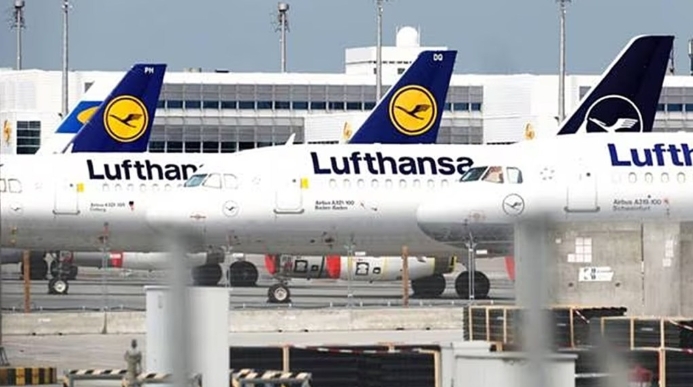
The ongoing war involving Iran is poised to reshape global aviation patterns, with Lufthansa Group’s chief warning that the conflict may diminish the long‑standing dominance of major Gulf airlines on routes between Europe and Asia.
In an interview published Tuesday with Manager Magazin, Lufthansa CEO Carsten Spohr described how escalating geopolitical risks in the Middle East are threatening the strategic advantage held by flagship carriers such as Emirates and Qatar Airways whose hubs in Dubai and Doha have traditionally acted as global connectors.
Geopolitical Headwinds for Key Hubs
“The major hubs of the Gulf carriers are located in a region that is now clearly exposed to new risks,” Spohr said, pointing to how the conflict around Iran has disrupted airspace and heightened security concerns for airlines operating through the Gulf.
Those risks come as the war has forced reroutes, temporary suspensions and broader operational uncertainty across the region. Industry analysts say that closures of airspace over parts of the Middle East have already forced many airlines to bypass previously essential Gulf hubs, diverting traffic along longer but potentially safer paths.
For decades, Gulf carriers have leveraged their strategic location between Europe, Asia and Africa to build vast networks with competitive transit times and pricing. But with the current conflict stirring instability and airlines reducing operations at key Middle East airports, that model is now under strain.
European Aviation Sovereignty in Focus
Spohr also used the interview to critique Europe’s growing reliance on non‑European hubs for connecting traffic to Asia. “It weakens European sovereignty if we are increasingly less able to connect to the growing markets of Asia via our own routes,” he told the magazine.
Lufthansa has already responded to the disruption by expanding its direct long‑haul services. Over recent days, the group has announced extra flights to Asia and Africa to meet passenger demand that has shifted amid Middle Eastern route closures, including additional services from Munich to Singapore and Frankfurt to Cape Town.
Industry observers note that this disruption offers a rare opening for carriers capable of flying direct between Europe and Asian markets, bypassing the Gulf entirely a strategy that Lufthansa appears keen to exploit in the near term.
Middle East Conflict Reshapes Aviation
The broader backdrop to these developments is the ongoing Iran conflict, which has caused wide‑ranging disruptions across regional airspace and global travel patterns.
With Gulf airspace closures and heightened war risks, airlines from Europe and beyond have been forced to reroute flights around the Middle East, sometimes dramatically lengthening journeys and increasing fuel costs. Some carriers have even suspended certain Middle Eastern routes altogether.
The shifts have not only affected passenger travel but cargo logistics too, with aviation and logistics groups warning of medium‑term effects on traffic flows and supply chains.
Looking Ahead: Competition and Connectivity
While Spohr stopped short of predicting a complete collapse of Gulf carriers’ market share, his comments mark a notable challenge to their long‑standing status in international aviation.
The crisis has underscored how geopolitics can upend established travel networks and force carriers to rethink strategic priorities. For players like Lufthansa, this could mean prioritizing expanded direct services and investing more heavily in European hub connectivity to maintain competitiveness.
Industry watchers will now be watching closely to see whether the current shifts evolve into a longer‑term realignment of global airline traffic flows.
Get the latests of our Loveworld News from our Johannesburg Stations and News Station South Africa, LN24 International
Related Posts
Some description text for this item