

Image: Healing Streams
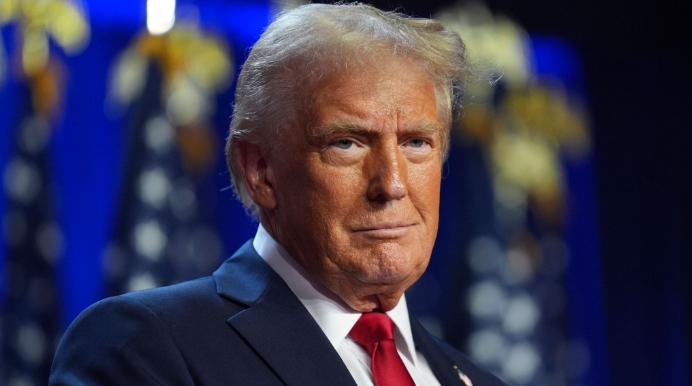
U.S. President Donald Trump has said that Iran is reluctant to publicly acknowledge its willingness to negotiate a deal with the United States, despite what he described as ongoing behind-the-scenes talks.
Speaking at a dinner with Republican lawmakers, Trump asserted that Iranian leaders are actively seeking an agreement but are hesitant to admit it publicly due to internal pressures. “They want to make a deal so badly,” he said, adding that Iranian officials are “afraid to say it” due to fears of repercussions from within their own system.
Conflicting Positions Between Washington and Tehran
Trump’s remarks come amid clear contradictions between U.S. and Iranian positions on the issue of negotiations. While Washington maintains that diplomatic engagement is ongoing, Tehran has firmly denied any such talks.
Iran’s Foreign Minister, Abbas Araghchi, recently stated that the country does not intend to negotiate, emphasizing that Iran’s stance remains unchanged despite mounting international pressure.
The divergence highlights the deep mistrust between the two sides, even as signals from global actors suggest there may still be room for diplomacy.
Signs of Possible Diplomatic Openings
Despite the public denials, some international observers believe there are indications that both sides could be open to negotiations. Chinese officials have pointed to what they describe as a “glimmer of hope” for renewed dialogue, citing signals from both Washington and Tehran.
At the same time, the U.S. administration continues to insist that progress is being made toward potential talks, even as military activity in the region remains elevated. The Pentagon has confirmed additional troop deployments to the Middle East, underscoring the high-stakes nature of the situation.
Context: Escalating Conflict and Pressure
The latest developments come against the backdrop of heightened tensions following the 2026 conflict involving the United States, Israel and Iran. The crisis has seen military strikes, rising regional instability, and ongoing concerns over Iran’s nuclear program.
Trump has repeatedly taken a hardline stance, at times suggesting that Iran is seeking a deal while also indicating that any agreement would require strict conditions. Analysts say this dual approach combining military pressure with calls for negotiation reflects a broader strategy aimed at forcing concessions from Tehran.
Uncertain Path Forward
While Trump remains confident that Iran is seeking a deal, the lack of public alignment between the two governments raises questions about the prospects for meaningful negotiations.
Experts warn that without clear communication and mutual trust, the risk of further escalation remains high. For now, the situation continues to evolve, with diplomacy and conflict unfolding in parallel.
As global attention remains fixed on the region, the coming days are likely to be critical in determining whether the current tensions move toward dialogue or deepen further into confrontation.
Get the latests of our Loveworld News from our Johannesburg Stations and News Station South Africa, LN24 International
Related Posts
Some description text for this item