

Image: LN24
Sweden is moving forward with plans to establish a new civilian foreign intelligence agency, a major overhaul of its national security architecture aimed at strengthening strategic analysis and addressing growing global threats.
The proposal, which has been under review for several years, comes as Sweden reassesses its intelligence capabilities following criticism that existing agencies failed to anticipate Russia’s full-scale invasion of Ukraine in 2022.
New Agency to Reshape Intelligence Structure
The planned agency will operate as a civilian authority focused specifically on foreign intelligence and will report directly to the Swedish government. It is expected to begin operations in January 2027.
Under the reform, key responsibilities currently handled by the Military Intelligence and Security Service (MUST) will be transferred to the new body, particularly in areas related to international intelligence gathering and geopolitical analysis.
Officials say the goal is to clearly separate military intelligence from broader foreign policy intelligence functions, allowing each structure to operate more efficiently and with greater specialization.
The agency will work closely with Sweden’s existing intelligence institutions, including the Swedish Security Service (Säpo), the National Defence Radio Establishment (FRA), and the Armed Forces.
Response to Evolving Security Threats
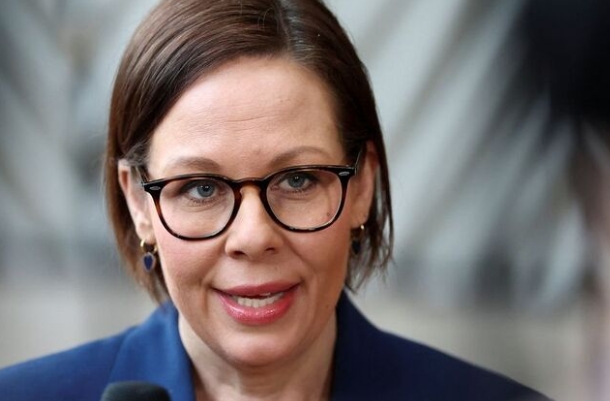
Foreign Minister Maria Malmer Stenergard said the reform reflects Sweden’s “serious security situation” and the need to adapt to a rapidly changing threat landscape.
She noted that Sweden now faces “a broad and complex threat picture every day,” especially as a new NATO member, which places increased expectations on intelligence sharing and preparedness with allied countries.
The decision also follows criticism from previous intelligence assessments that Swedish agencies did not adequately detect early warning signs of Russia’s military build-up before the Ukraine war.
Cost and Implementation Plan
The government estimates that the new agency will cost approximately 2.8 billion Swedish kronor (about $300 million), with funding primarily reallocated from the defence budget.
The reform is part of a broader restructuring of Sweden’s security and defence system, which has accelerated since the country joined NATO and expanded its role in European security coordination.
A phased implementation process is already underway, with legal and administrative preparations expected to continue throughout 2026.
Overloaded Intelligence System
According to defence officials, Sweden’s current intelligence structure particularly MUST has become overstretched due to multiple overlapping priorities, including monitoring Russia, supporting Ukraine, and adapting to NATO integration.
Analysts say the creation of a separate agency is intended to reduce pressure on military intelligence and improve long-term strategic forecasting, especially regarding regions such as the Middle East, China, and the Arctic.
Part of Wider European Intelligence Reform
Sweden’s move is part of a broader trend across Europe, where several countries are reassessing intelligence coordination amid rising geopolitical tensions, hybrid warfare threats and shifting transatlantic dynamics.
Security experts say the reform reflects a growing emphasis on open-source intelligence, digital analysis and closer cooperation between civilian and military institutions.
Outlook
Once operational, the new agency is expected to become a central pillar of Sweden’s national security strategy, marking one of the most significant intelligence reforms in the country’s modern history.
Officials say the restructuring aims not only to improve threat detection but also to ensure Sweden is better aligned with NATO intelligence standards in an increasingly unstable global environment.
Get the latest news of our Loveworld News from our Johannesburg Stations and News Station South Africa, LN24 International
Related Posts
Some description text for this item