

Image: Healing Streams
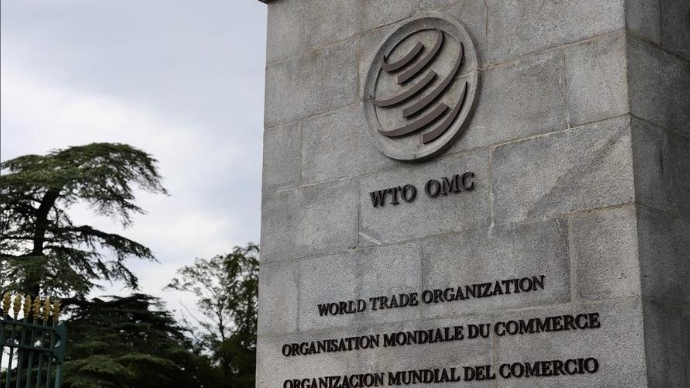
In YAOUNDÉ, Cameroon trade ministers from around the world have convened in Yaoundé, Cameroon, for a pivotal four‑day summit aimed at reforming the World Trade Organization (WTO), but deep disagreements among member states threaten to undercut progress at one of the most important trade policy meetings in years.
The 14th WTO Ministerial Conference (MC14), running from March 26–29, brings together trade leaders from nearly 166 economies. The ministers face mounting pressure to modernize the WTO’s 30‑year‑old framework, including reforms to decision‑making processes, dispute resolution mechanisms, and trade rule‑making that reflect contemporary global economic challenges.
Sharp Divisions on Reform Priorities
Despite broad agreement that the WTO needs reform, member states are deeply divided on how to proceed:
- United States and European Union: Western powers are calling for structural reforms that would strengthen WTO governance and transparency.
- Developing Countries: Many developing economies are pushing for provisions that better support agricultural trade and ensure fair treatment for smaller trading nations.
- Emerging Trade Blocs: Some delegates are wary of changes they say could erode the consensus‑based decision‑making that has historically been central to WTO legitimacy.
The lack of consensus has raised fears that the organization a cornerstone of the rules‑based international trading system could see its influence diminished if reforms fail or are perceived as skewed toward powerful economies.
Global Economic Tensions Add Complexity
The negotiations are unfolding against a backdrop of heightened economic and geopolitical stress. Recent conflicts including the war involving the United States, Israel and Iran have disrupted energy supplies and raised costs for fertilizer and other critical imports, impacting global agricultural markets and food security, particularly in Africa.
John Denton, Secretary‑General of the International Chamber of Commerce, warned that without a credible reform agreement, “countries may set trade rules outside the organization” a development that could weaken the WTO’s central role in global commerce.
Reform Roadmap Still Unclear
The draft reform agenda includes proposals to:
- Overhaul WTO decision‑making mechanisms.
- Strengthen provisions for developing countries.
- Improve transparency and compliance in trade reporting.
- Revive the WTO’s dispute settlement system, which has largely been paralyzed since 2019.
However, diplomats acknowledge that months of preparatory talks in Geneva have produced limited agreement, and some major issues such as the future of the e‑commerce moratorium and agricultural subsidies remain unresolved.
What’s at Stake
For many governments, a stalled WTO reform effort is more than a bureaucratic setback. It reflects broader strains in the global trade architecture at a time when:
- Protectionist measures and unilateral tariffs have gained traction.
- Global supply chains remain vulnerable to geopolitical disruptions.
- Emerging economies seek a more equitable voice in shaping global trade rules.
WTO Director‑General Ngozi Okonjo‑Iweala has urged members to use the Yaoundé meeting to “launch the next chapter of the multilateral trading system,” stressing that collective failure to act could undermine economic stability and development prospects worldwide.
Looking Ahead
As ministers continue negotiations through Saturday, many analysts predict that while major breakthroughs may be limited, the discussions will set the tone for future WTO reform efforts. A failure to secure broad agreement at this gathering could prompt countries to pursue alternative trade arrangements or regional frameworks outside the WTO further fragmenting the global trade system.
Get the latests of our Loveworld News from our Johannesburg Stations and News Station South Africa, LN24 International
Related Posts
Some description text for this item