

Image: Healing Streams
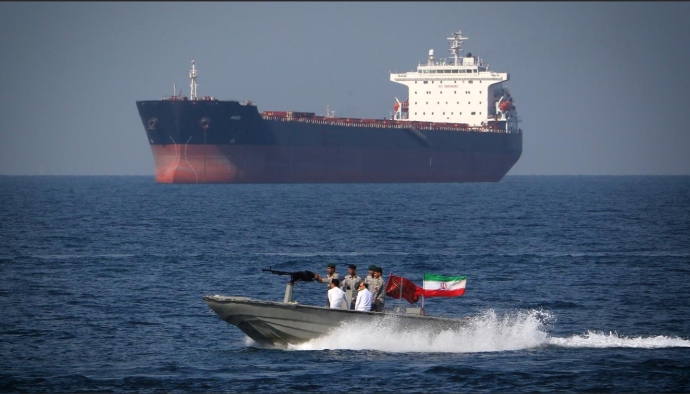
In Washington, D.C., U.S. President Donald Trump has intensified diplomatic pressure on key allies to support a stronger multinational security presence in the Strait of Hormuz, one of the world’s most critical maritime oil corridors, as tensions with Iran continue to raise concerns about global energy supply and regional stability.
Administration officials confirmed this week that Washington has been urging NATO partners and regional allies to contribute naval assets, surveillance capabilities and logistical support to safeguard shipping lanes in the narrow waterway linking the Persian Gulf with the Gulf of Oman and the wider Arabian Sea. Nearly a fifth of the world’s daily oil supply passes through the passage, making it a strategic chokepoint for global energy markets.
Strategic Waterway Under Scrutiny
The renewed focus on maritime security follows a series of incidents involving commercial tankers and escalating rhetoric between Washington and Tehran. U.S. officials say protecting freedom of navigation through the Strait is vital not only for energy markets but also for international trade routes.
“The United States cannot be the only country responsible for protecting global commerce,” President Trump said during a briefing with reporters. “Our allies benefit enormously from safe shipping through the Strait of Hormuz, and they should be contributing more to ensure its security.”
The administration is reportedly seeking expanded participation in a maritime coalition that could include European nations, Gulf states and Asian economies heavily dependent on Middle Eastern oil imports.
Pressure on NATO and Asian Partners
Diplomatic sources say Washington has been particularly focused on persuading members of NATO as well as major energy importers such as Japan and South Korea to deploy naval vessels or intelligence resources to patrol the shipping lanes.
Some European governments have expressed cautious support for protecting maritime routes but remain hesitant to become entangled in a confrontation with Iran. Officials in Germany and France have emphasized the importance of diplomatic engagement alongside security measures.
Meanwhile, several Gulf states including Saudi Arabia and the United Arab Emirates have signaled readiness to cooperate with U.S.-led maritime security initiatives.
Iran’s Response
Iranian officials have criticized the U.S. push for a larger naval presence, arguing that foreign military forces in the region risk escalating tensions. Leaders in Tehran maintain that regional security should be handled by countries bordering the Persian Gulf rather than outside powers.
Iran has repeatedly warned that any attempt to restrict its access to the Strait of Hormuz could trigger retaliatory measures. The waterway lies partly within Iranian territorial waters, giving Tehran significant geographic leverage.
Global Economic Implications
Energy analysts say instability in the Strait of Hormuz could have far-reaching consequences for global oil prices and supply chains. According to international energy estimates, roughly 20 percent of the world’s petroleum shipments transit the corridor each day.
Any prolonged disruption could lead to spikes in crude prices, increased shipping insurance costs and potential shortages in major importing economies.
Looking Ahead
The White House is expected to continue negotiations with allies over the coming weeks to formalize security arrangements for the region. While officials stress the goal is deterrence rather than confrontation, analysts warn that the buildup of naval forces could further strain already fragile relations between the United States and Iran.
For now, the Strait of Hormuz remains a focal point in global geopolitics a narrow stretch of water carrying enormous economic and strategic weight.
Get the latests of our Loveworld News from our Johannesburg Stations and News Station South Africa, LN24 International
Related Posts
Some description text for this item