

Image: LN24
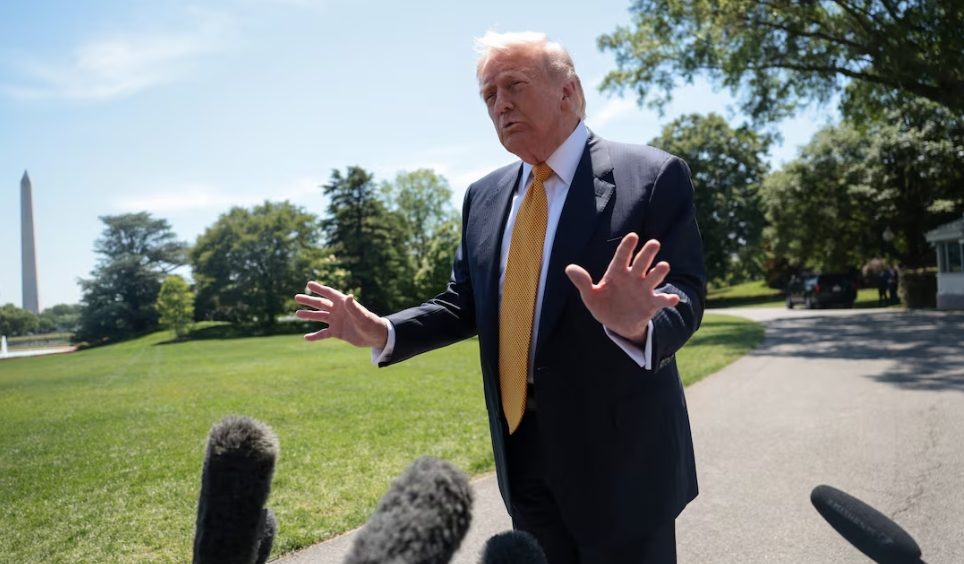
U.S. President Donald Trump said Tuesday that preventing Iran from obtaining a nuclear weapon remains his administration’s highest priority, even as rising fuel prices and inflation continue to place financial pressure on American households.
Speaking to reporters before departing for a diplomatic visit to China, Trump dismissed suggestions that worsening economic conditions in the United States were influencing his approach toward the ongoing conflict and negotiations involving Iran.
Asked how much Americans’ financial struggles were motivating him to pursue a deal, Trump replied: “Not even a little bit.” He added that “the only thing that matters” is ensuring Iran never acquires a nuclear weapon.
Economic Pressures Mount Across the United States
Trump’s comments come as the economic fallout from the ongoing Iran conflict intensifies across global markets.
Recent U.S. inflation data showed consumer prices posting their largest annual increase in three years, driven in part by surging energy costs linked to instability in the Middle East. Gasoline prices have risen sharply since the conflict escalated earlier this year, placing additional strain on consumers and businesses alike.
Analysts say disruptions around the Strait of Hormuz one of the world’s most critical oil shipping routes have contributed to supply concerns and increased volatility in international energy markets.
According to recent polling cited by U.S. media outlets, many Americans now view high fuel prices and inflation as major financial hardships, with some surveys indicating growing dissatisfaction with the administration’s handling of the economy.
Trump Defends Hardline Iran Policy
Despite mounting economic criticism, Trump defended his position by arguing that allowing Iran to develop nuclear weapons would create far greater long-term dangers.
“The most important thing by far is Iran cannot have a nuclear weapon,” Trump said, emphasizing that national and global security concerns outweigh short-term economic fluctuations.
Senior administration officials have echoed that argument in recent weeks. U.S. Secretary of State Marco Rubio has warned that a nuclear-armed Iran could exert enormous influence over global energy supplies and maritime trade routes, particularly in the Gulf region.
The administration continues to insist that military pressure and sanctions are necessary to prevent Tehran from advancing its nuclear capabilities.
Questions Over Iran’s Nuclear Timeline
Trump’s remarks also come amid continued debate over the actual state of Iran’s nuclear program.
According to reports citing U.S. intelligence assessments, analysts believe Iran remains approximately nine to twelve months away from being capable of producing a nuclear weapon, a timeline that reportedly has not significantly changed in recent months.
Iran has consistently denied seeking nuclear weapons, maintaining that its nuclear activities are intended for peaceful civilian energy purposes.
The issue remains at the center of escalating tensions between Washington and Tehran following the collapse of diplomatic negotiations and the broader regional conflict that erupted earlier this year.
Political Pressure Ahead of Elections
Trump’s hardline stance is also creating political challenges at home as Republicans grow concerned that prolonged economic pain could hurt the party in upcoming congressional elections.
Some lawmakers within Trump’s own party have reportedly expressed fears that rising inflation, energy prices, and war-related spending could weaken Republican support among voters already struggling with the cost of living.
At the same time, many conservative allies continue to support the administration’s aggressive posture toward Iran, arguing that preventing nuclear proliferation must remain the United States’ overriding strategic objective.
Global Attention Focused on Middle East Stability
The ongoing crisis has drawn worldwide attention as governments monitor the risk of broader regional escalation.
The Strait of Hormuz remains a major flashpoint, with shipping disruptions and military activity continuing to affect oil exports and international trade. Economists warn that prolonged instability could deepen inflationary pressures globally and increase the risk of recession in several economies.
Diplomatic efforts involving regional and international powers remain ongoing, although recent negotiations between Washington and Tehran have reportedly failed to produce major breakthroughs.
Trump has continued to argue that strong pressure on Iran is necessary to secure long-term peace and security, even as critics question whether the economic cost is becoming too high for ordinary Americans.
Get the latest news of our Loveworld News from our Johannesburg Stations and News Station South Africa, LN24 International
Related Posts
Some description text for this item