

Image: Healing Streams
Tensions in the Middle East have surged dramatically after U.S. President Donald Trump issued a stark ultimatum to Iran, warning of imminent strikes on the country’s power infrastructure if the Strait of Hormuz is not reopened within 48 hours.
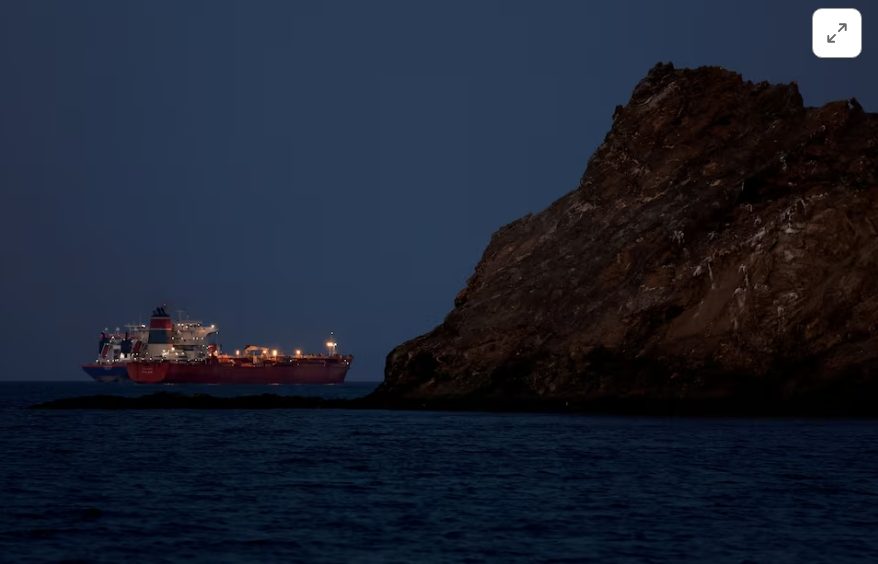
The Strait of Hormuz one of the world’s most critical oil transit chokepoints, responsible for roughly 20% of global oil and gas shipments has been severely disrupted amid ongoing conflict, triggering sharp increases in global energy prices and raising fears of a broader economic shock.
Ultimatum Raises Stakes
In a strongly worded statement, Trump warned that the United States would “hit and obliterate” Iranian power plants, beginning with the largest facilities, if Tehran fails to fully restore safe passage through the strategic waterway.
The threat marks a significant escalation in U.S. rhetoric and military posture, especially after earlier signals from Washington suggested a possible de-escalation. Analysts warn that targeting civilian energy infrastructure could dramatically widen the conflict and deepen humanitarian risks.
Iran responded swiftly, warning that any attack on its infrastructure would be met with retaliation against U.S. and allied facilities across the region, including energy and industrial sites.
Escalating Regional Conflict
The ultimatum comes amid intensifying hostilities across the Middle East. Recent days have seen missile exchanges between Iran and Israel, with strikes hitting areas near sensitive sites such as Dimona, and retaliatory attacks reported across multiple countries.
In parallel, attacks on shipping and energy facilities have compounded the crisis. The near closure of the Strait of Hormuz has already disrupted global supply chains, sent oil prices soaring and forced several countries to reassess energy security measures.
The conflict, now entering its fourth week, has resulted in thousands of casualties and widespread displacement, while raising fears of a broader regional war involving multiple global powers.
Strategic Importance of Hormuz
The Strait of Hormuz remains a vital artery for the global economy. Any prolonged disruption threatens not only oil supplies but also international trade flows, particularly for energy-dependent economies in Asia and Europe.
Earlier incidents including attacks on tankers and military strikes on energy-related infrastructure have already demonstrated the vulnerability of the region. Recent strikes on Iranian oil and gas facilities, as well as retaliatory attacks on Gulf infrastructure, have intensified the cycle of escalation.
Global Reactions and Risks
World leaders and international organizations have expressed growing concern over the potential for a wider conflict. NATO allies have shown caution in fully backing U.S. actions, while countries dependent on Gulf energy supplies are exploring contingency plans.
Energy markets remain volatile, with rising fuel costs adding pressure to already fragile global economies. Analysts warn that any direct attack on Iran’s power grid could trigger a chain reaction of retaliatory strikes, further destabilizing the region.
What Comes Next?
With the 48-hour deadline ticking, the world is watching closely to see whether diplomatic channels can avert further escalation. Failure to reopen the Strait of Hormuz could mark a turning point in the conflict potentially leading to direct strikes on critical infrastructure and a broader regional war.
For now, the situation remains highly fluid, with military, economic and humanitarian consequences hanging in the balance.
Get the latests of our Loveworld News from our Johannesburg Stations and News Station South Africa, LN24 International
Related Posts
Some description text for this item